I’m off to North Sulawesi, to dive Manado, Bangka and Lembeh Strait. There’s been the usual chaotic mess that’s part-and-parcel of preparing for a dive trip. The most difficult thing about getting ready for this trip has been completely switching all the gear from my recent Tonga excursion.
For whale photography, having a lot of wide-angle lenses underwater was top priority. For this trip, it’s mostly macro gear, which means finding, testing, repairing, modifying and packing an entirely different set of ports, strobes, wires, tools, lenses, gears and just lots of junk. And of course, I didn’t have any scuba gear on the previous trip, so I’ve had to dig through my scuba pile too, first to find everything, and then to make sure it all works. Argh.
As part of the process, I did something I’ve been putting off for ages — I cleaned up my photo-gear piles. It’s truly amazing just how much stuff I’ve accumulated over the years, some of which I truly have no recollection of ever acquiring.
While I was uncharacteristically in the house-cleaning mood, I took mountains of camera gear I don’t use to my friends at Camera Workshop in Singapore and asked them to help me sort through everything and find new owners to adopt my much-neglected kit. And one day, I’m sure I’ll find the time and energy to sort through all my extraneous underwater camera stuff…not.
It’s actually been a couple of years since I’ve been to North Sulawesi. Amazing how quickly time flies. I’ll be staying with Murex Dive Resorts & Liveaboards, which is one of the area’s first dive operators and Kasawari Lembeh Resort, which is one of the newest places in Lembeh. I’ll also hopefully be seeing friends from other resorts, including a short stay on one of the Archipelago Fleet‘s vessels and a visit to the new Sedona Hotel 5-star resort.
I’m particularly looking forward to two things — exploring Bangka Island, which is one of the many islands that is often overlooked by visitors to North Sulawesi, and enjoying the facilities at Kasawari Lembeh Resort, which has been built to provide luxury accommodation and customised service for photographers and videographers.
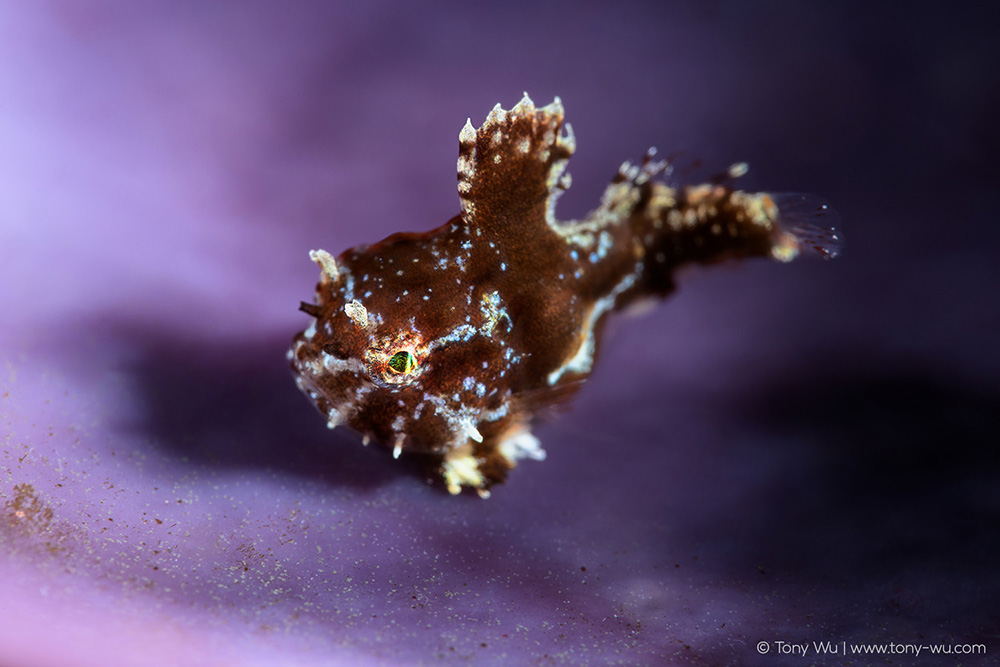
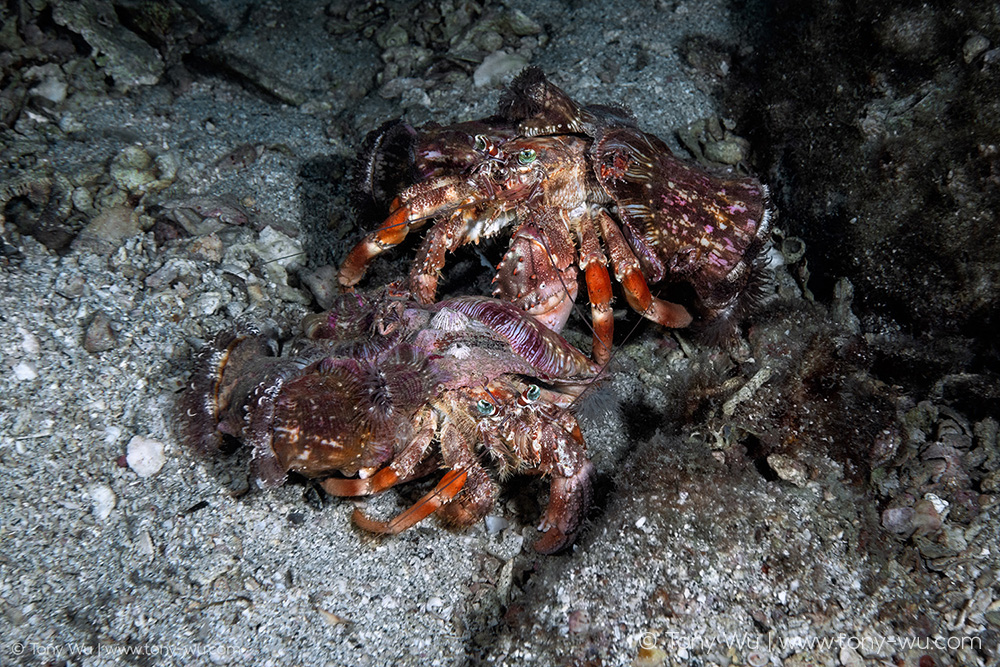
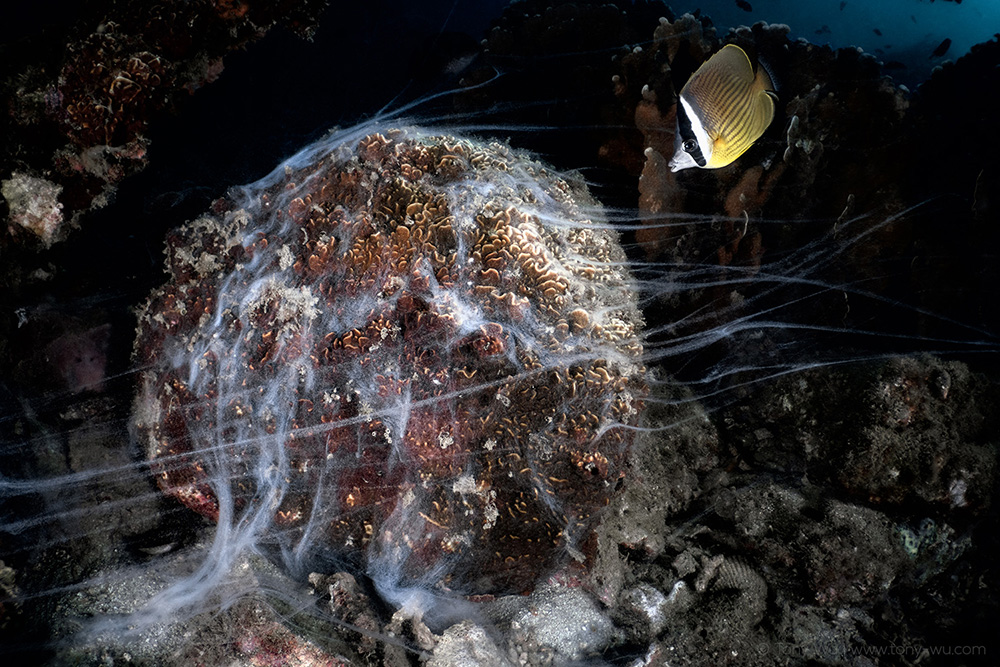
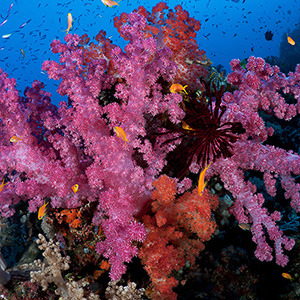
Net connections permitting, I’ll post some pix and thoughts from location, but otherwise I’ll post an update after I get back. In the meantime, here’s a slideshow of a few images from previous trips to the area:

On the one hand, there’s a 15% discount voucher for shark fin, promoted with the tagline “A taste of Thai I can’t resist.”
The 33rd 
Pictured here are three (out of five) of my Thai friends who put together the Pocket Divesite guidebooks about diving in the
Imagine being surrounded by playful, mischievous puppies zipping acrobatically by you, sneaking up behind you to play tag, nipping at your limbs, and just generally having lots of fun. That’s what it’s like being in the water with sea lions.
We’ll be in shallow, protected waters, so the conditions should be fairly easy, and the sea lions don’t venture far, so it won’t be difficult to find them. And if you’re keen on underwater photography, the Australian sea lions are about as attractive and cooperative a subject as you can hope for.
Here’s a photo juxtaposing me at 20 metres depth with a male humpback whale on his way up for a breath of air. Talk about feeling small! Even though I spend a lot of time in the water, I don’t have many photos of myself, since I’m usually behind the lens, not in front.
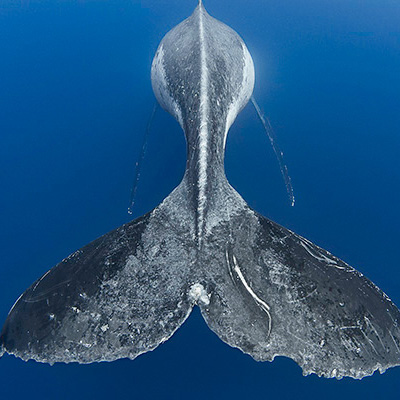
It’s time to wrap up my humpback whale season for this year. It’s been another productive and fantastic season — so many whales, lots of friends, and learning more about humpbacks.
Southern-hemisphere humpback whales tend to have white or whitish bellies, which makes them easier to spot both in and above water, and arguably makes them more photogenic than their northern hemisphere counterparts, which tend to be black/ grey over most of their bodies.